Book Auto Repair for Fast Diagnostics
Auto Repair Services You Shouldn't Ignore for Vehicle Longevity
Preserving a vehicle's long-term performance requires focus on several key auto repair services. Routine engine oil services, brake system checks, and tire maintenance play critical roles in supporting peak performance and safety. Overlooking these essential services can lead to expensive repairs and sudden failures. Appreciating the importance of these maintenance tasks is vital for every car owner. The question remains: what further maintenance should be considered to extend the life of your vehicle?
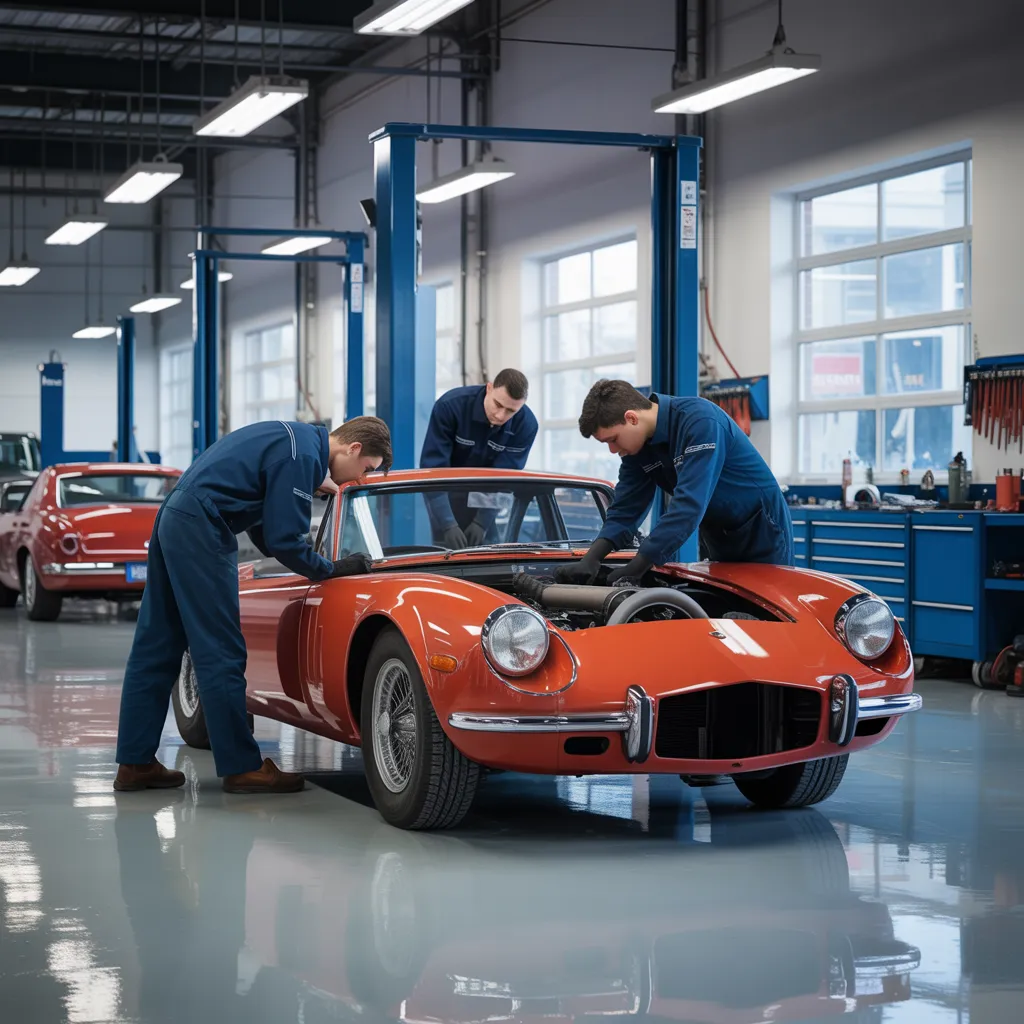
The Significance of Regular Oil Changes
Routine oil changes are crucial for maintaining a vehicle's performance and longevity, as they ensure that the engine runs efficiently. Engine oil lubricates moving parts, reducing friction and preventing wear. With time, oil deteriorates, diminishing its efficiency and gathering impurities that can damage engine parts. Routine oil changes ensure that clean oil flows through the engine, delivering optimal lubrication and safeguarding.
Neglecting this task can result in sludge buildup, reduced fuel economy, and in the end, significant repair costs. Vehicle manufacturers often recommend particular schedules for oil replacement, typically every 3,000 to 5,000 miles, depending on the type of oil used and driving conditions. Following these standards not only improves engine efficiency but can also increase the vehicle's resale value. Additionally, regular oil changes can help identify underlying concerns ahead of time, allowing for prompt maintenance. Overall, keeping up with a regular oil change routine is a critical element of automotive upkeep that adds significantly to its lasting performance.
How Brake Inspections Can Save You Money
Periodic brake evaluations can significantly lower ongoing costs for drivers. By identifying potential issues early, these inspections can prevent expensive fixes resulting from lack of maintenance. As an example, deteriorated brake pads may cause more severe damage to rotors, making rotor replacement far more costly. Timely inspections guarantee that brake components are functioning efficiently, ultimately improving the safety of your vehicle.
Additionally, keeping top brake performance can enhance fuel consumption rates. When brakes are underperforming, the vehicle may require more energy to function, resulting in increased fuel expenditure. Additionally, regular checkups can help prevent accidents, which can lead to expensive insurance claims and increased fees.
Why Regular Tire Rotations Are Vital for Safety
Tire rotations are critical for guaranteeing vehicle safety and performance. Consistently rotating tires supports balanced wear, extending their lifespan and maintaining peak traction. Uneven tire wear can lead to reduced grip, most notably in harsh weather conditions, increasing the risk of accidents.
Additionally, irregularly worn tires can adversely impact vehicle handling and stability, making it challenging for motorists to control their vehicles. Well-preserved tire alignment, accomplished through regular tire rotations, contributes to better fuel efficiency, as adequately balanced tires demand less energy to roll.
Most vehicle manufacturers advise tire rotations at intervals of 5,000 to 8,000 miles, but this can vary based on driving habits and vehicle type. Following this maintenance schedule not only improves overall safety but also confirms that your vehicle operates at peak efficiency. Neglecting regular tire rotations can cause the need for premature and costly tire changes and compromise the safety of the driver as well as fellow motorists.
Essential Fluid Checks You Should Perform
Maintaining vehicle safety extends beyond tire rotations; it also involves consult article monitoring multiple key fluids necessary for top performance. Routine monitoring of engine oil, coolant, brake fluid, transmission fluid, and power steering fluid can prevent costly repairs and guarantee reliable operation. Engine oil provides lubrication to vital components, decreasing friction and heat, while coolant manages engine temperature to avoid overheating. Brake fluid ensures reliable braking performance, and depleted levels can result in brake failure. Transmission fluid promotes smooth shifting and provides protection from wear. Power steering fluid enables effortless steering, improving driver control.
Disregarding these assessments can result in diminished vehicle performance and safety hazards. Car owners should check their manufacturer's manual to find out recommended fluid levels and schedules. By committing to these critical fluid evaluations, car owners can promote their vehicle's lasting performance and reliability, consequently boosting their general driving satisfaction.
Why Routine Battery Maintenance Keeps Breakdowns at Bay
Regular battery maintenance is crucial for preventing unexpected breakdowns and maximizing battery longevity. By recognizing signs of battery failure early, car owners can respond quickly to avoid inconvenience. Implementing simple battery care tips can considerably boost vehicle reliability and longevity.
Tips for Extending Battery Life
Ensuring a vehicle's battery remains in peak condition is essential for preventing unexpected breakdowns. Regular maintenance plays an important role in extending battery life. Keeping battery terminals clean and free of corrosion can greatly improve performance. Periodically inspecting the battery's fluid levels to confirm they meet recommended standards is highly recommended. Furthermore, ensuring a firm connection can help avoid vibrations that could harm components. Harsh temperatures can negatively impact battery life, making it advantageous to park in shaded or climate-controlled areas. Additionally, performing consistent battery evaluations, particularly ahead of lengthy drives, can uncover potential concerns in advance. Following these straightforward guidelines can assist drivers in preventing frustrating breakdowns and improving overall vehicle lifespan.
Indicators of Battery Failure
How can drivers recognize the early signs of battery failure? Paying attention to certain warning signs can help avoid sudden breakdowns. A vehicle experiencing trouble starting, especially during cold weather, may suggest deteriorating battery power. Additionally, dimming headlights or electrical issues, like malfunctioning power windows, often point to insufficient power supply. Drivers should also look for corrosion buildup around battery terminals, which may compromise overall performance. Unusual swelling or leakage from the battery casing indicates a serious problem and requires immediate attention. Regular maintenance, such as cleaning terminals and testing battery voltage, can greatly extend battery life. By being vigilant and addressing these signs promptly, drivers can guarantee their vehicle remains reliable and avoid costly breakdowns.
Signs It's Time for a Professional Inspection
When should a vehicle owner consider scheduling a professional inspection? Several indicators may suggest the need for professional attention. Unusual noises, such as grinding or squeaking, may suggest mechanical issues that require immediate assessment. Moreover, indicator lights on the dashboard, including the check engine light, should not be overlooked, as they commonly signal underlying complications. Should a vehicle display reduced performance, including slow acceleration or diminished fuel efficiency, a professional assessment may also be necessary.
Additionally, unforeseen vibrations or difficulty steering can suggest problems with alignment or suspension that threaten vehicle safety. Owners should also consider a professional inspection after going through substantial changes in driving environments, such as a harsh winter or heavy rainfall. Routine inspections can ultimately help avoid expensive repairs and maximize the vehicle's operational life, making them vital for preserving overall vehicle health.
Frequently Asked Questions
How Regularly Should I Check My Air Filter?
Air filters ought to be inspected once every 12,000 to 15,000 miles, or even more often when driving in dusty areas. Regular inspections guarantee optimal engine performance and fuel economy, contributing to the overall health of the vehicle.
What Are the Warning Signs of a Bad Alternator?
Indicators of a failing alternator consist of dimming headlights, a drained battery, unusual noises, warning lights on the instrument panel, and trouble starting the vehicle. Such indicators point to possible electrical problems that need prompt attention and diagnosis.
Is It Okay to Skip Maintenance on a New Car?
Neglecting maintenance on a new car is a mistake. Routine maintenance ensures optimal performance, avoids future problems, and preserves warranty protection. Neglecting scheduled services may lead to costly repairs down the line, impacting vehicle reliability.
How Does Driving Style Affect Vehicle Longevity?
Driving style plays a major role in how long your vehicle lasts. Aggressive acceleration, hard braking, and frequent short trips can cause increased wear and tear, while smooth driving, maintaining steady speeds, and regular maintenance promote a longer vehicle lifespan and improved performance.
What Should I Do if My Check Engine Light Comes On?
When the check engine light illuminating, one should without delay assess the vehicle's performance, consult the owner's manual, and ideally obtain professional diagnostic services. Disregarding the light can result in more serious problems and high repair costs.